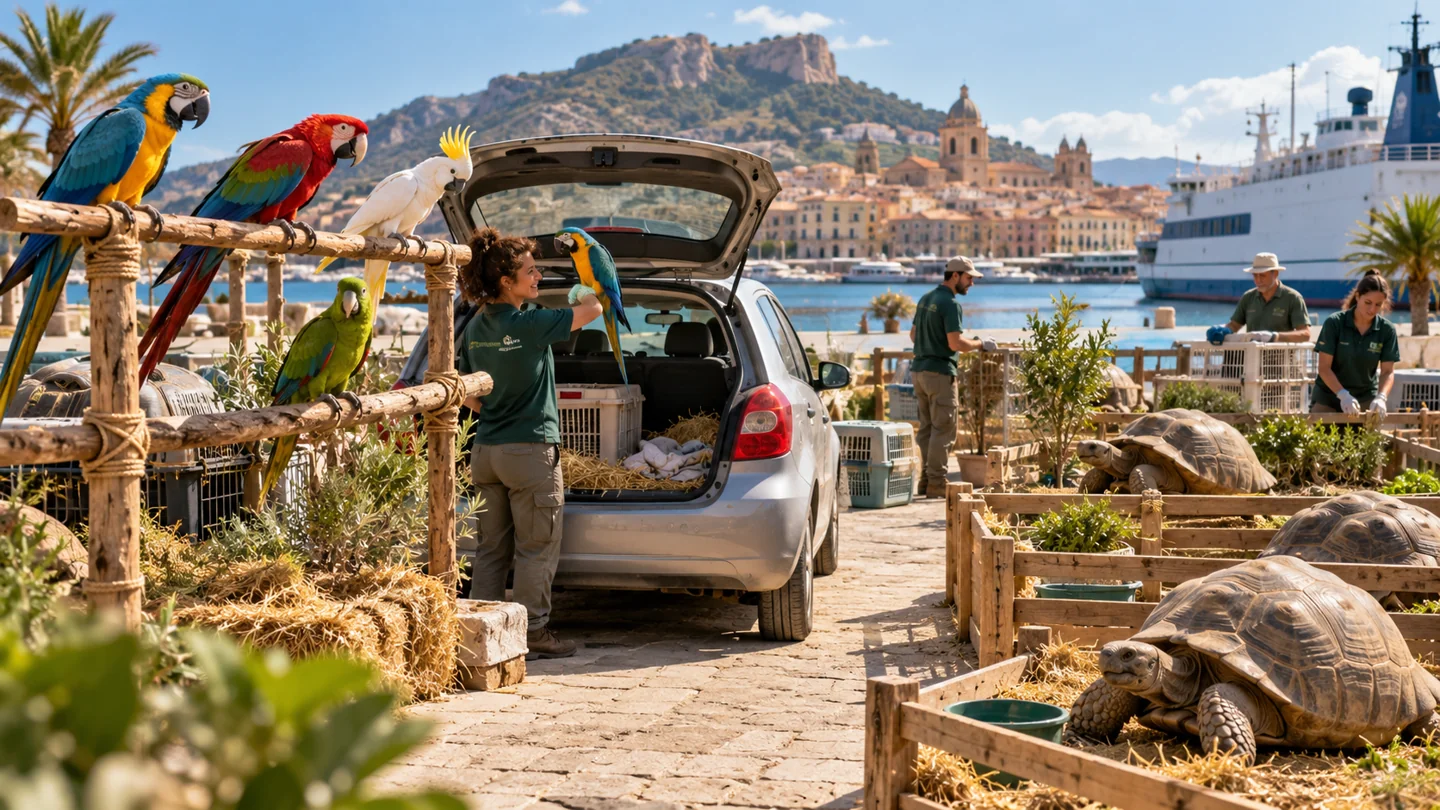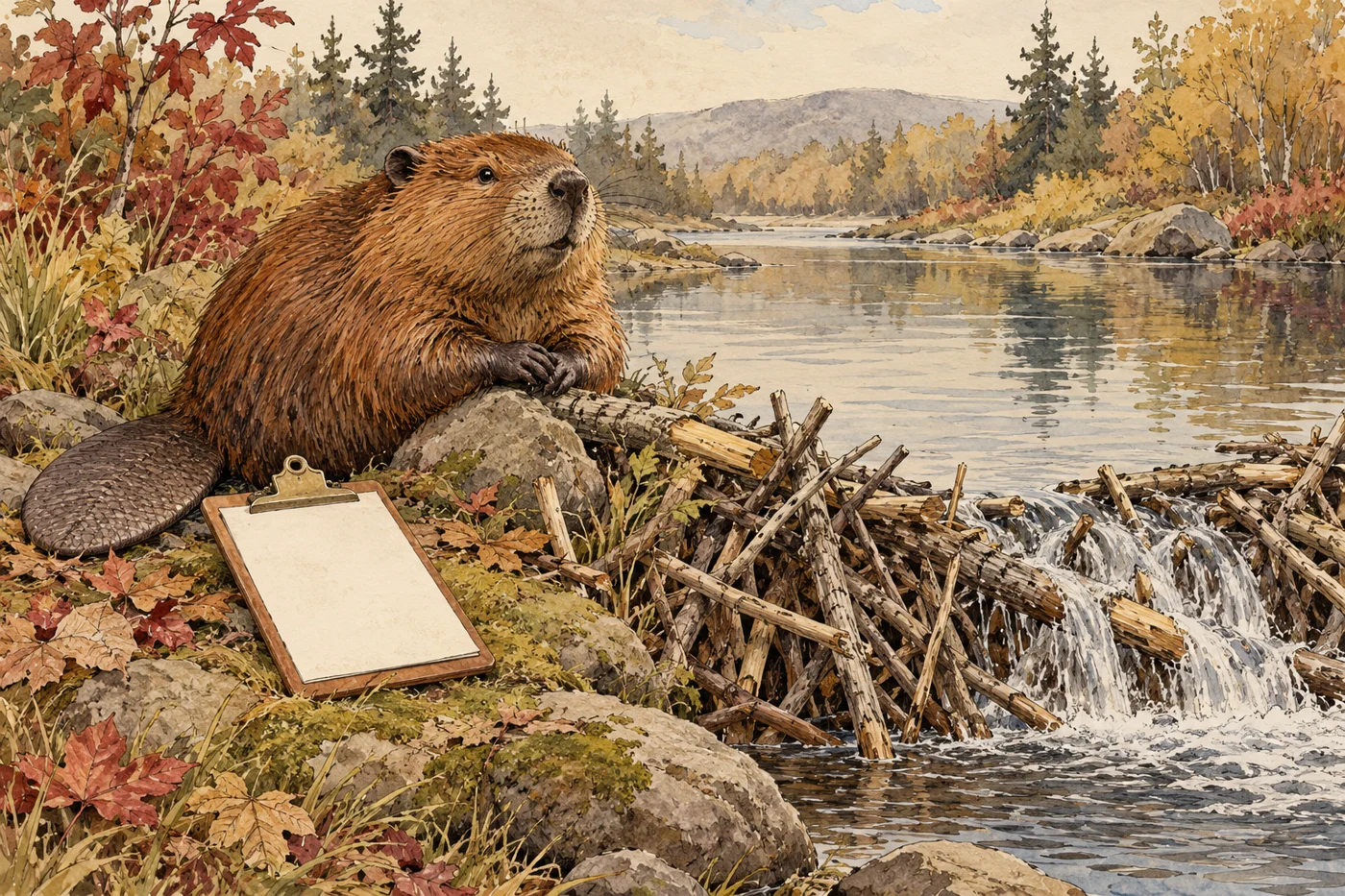
An entirely fictional billionaire has unveiled a conservation strategy built around the discovery that rare animals are easiest to protect when he owns the place where they are standing.
The sanctuary, called Arkadia Without Borders Except These Ones, promises a new era of wildlife protection in which every species receives expert care, extensive landscaping and a discreet relationship with the founder’s personal brand.
“We are giving these magnificent creatures a voice,” explained an invented spokesman. The animals’ first statement, prepared by the communications department, praised the founder’s long-standing commitment to giving them a voice.
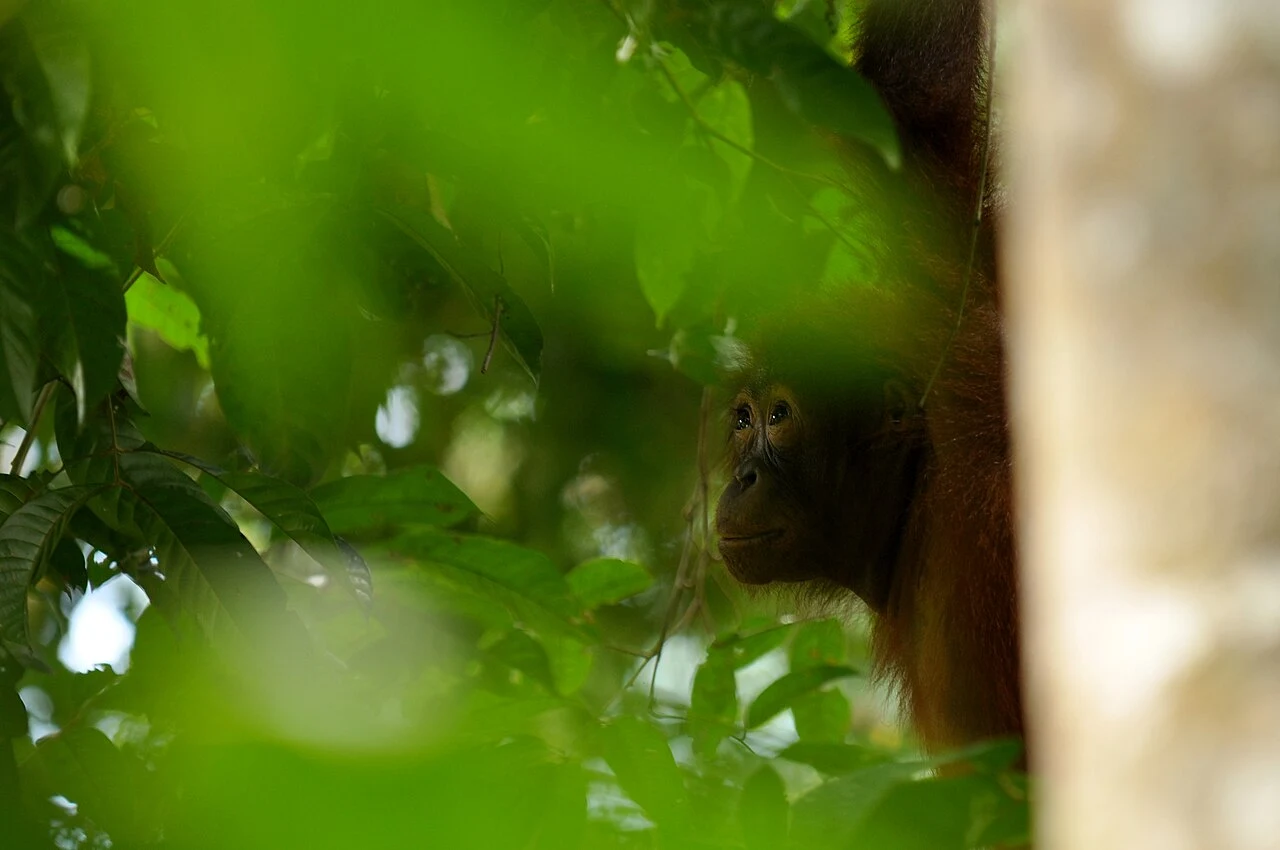
The brochure makes a compelling case. In the wild, an orangutan faces habitat loss and uncertain protection. At Arkadia, it faces a photographer asking whether it could move slightly so the foundation’s monogram remains visible.
An independent biologist asked how the programme would protect intact habitats and support wild populations. She was shown a three-dimensional model of the visitor centre. When she repeated the question, staff turned on the model’s lights.
The sanctuary insists that traditional conservation has been too slow to adopt entrepreneurial thinking. Its own approach identifies a threatened species, assembles an advisory board and ensures that the board photograph contains someone recognisable from the business pages.
A proposal to fund forest protection without moving any animals was considered at length. Directors welcomed the environmental benefits but worried that the forest would remain inconveniently far from the founder’s breakfast terrace.
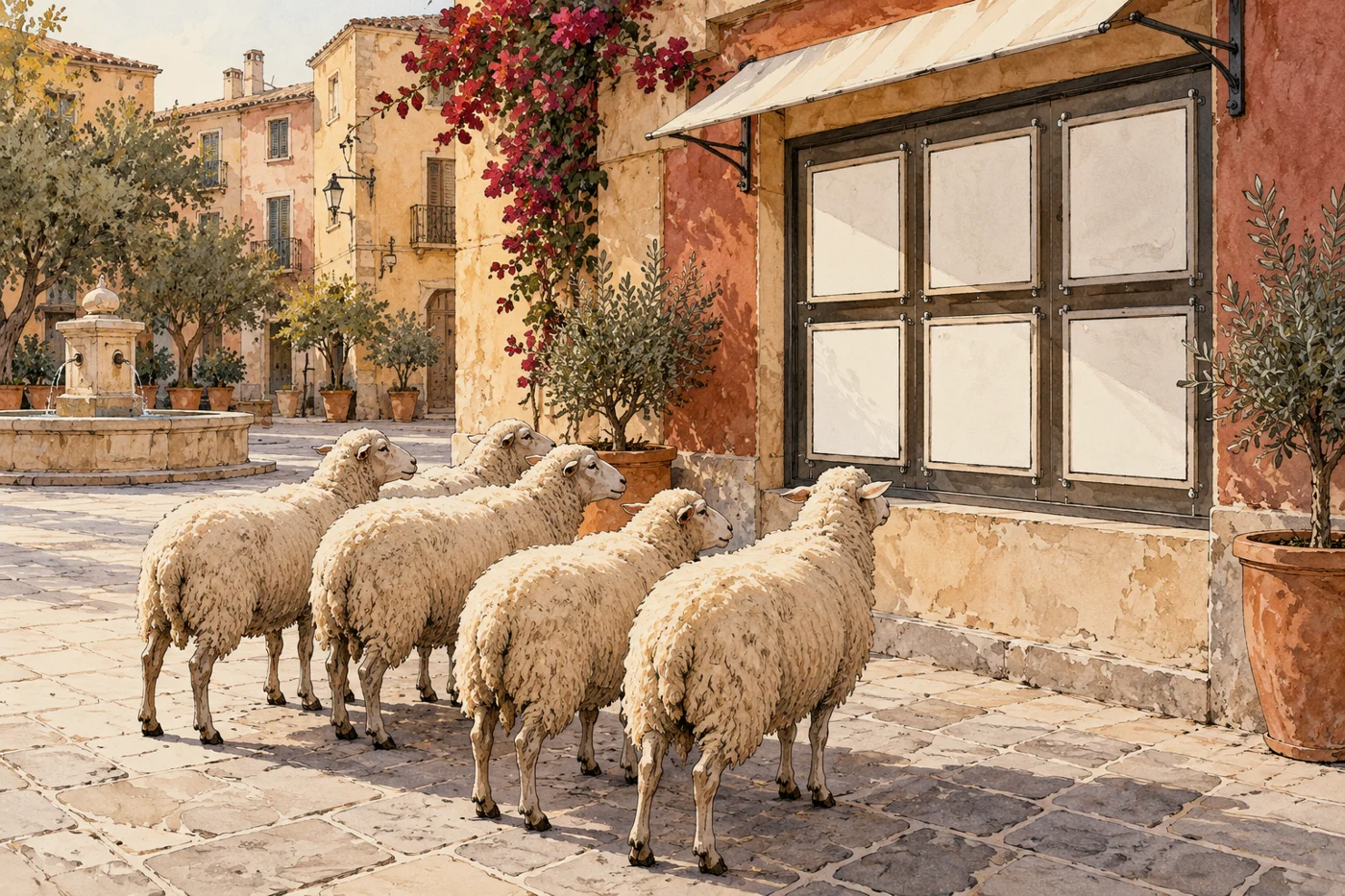
The project’s transparency policy is similarly ambitious. Every enclosure has a glass viewing panel. Questions about governance will be answered in a forthcoming report printed on extremely reassuring paper.
None of this is to trouble the keepers, whose daily work is feeding animals, maintaining habitats and trying to stop a fundraising executive describing a primate as an emerging ambassador. They have requested more veterinary equipment and fewer launch events.
At the opening, guests were invited to reflect on humanity’s responsibility towards other species. One orangutan watched proceedings from a branch, then turned away. The communications team recorded this as a powerful endorsement of the sanctuary’s privacy standards.