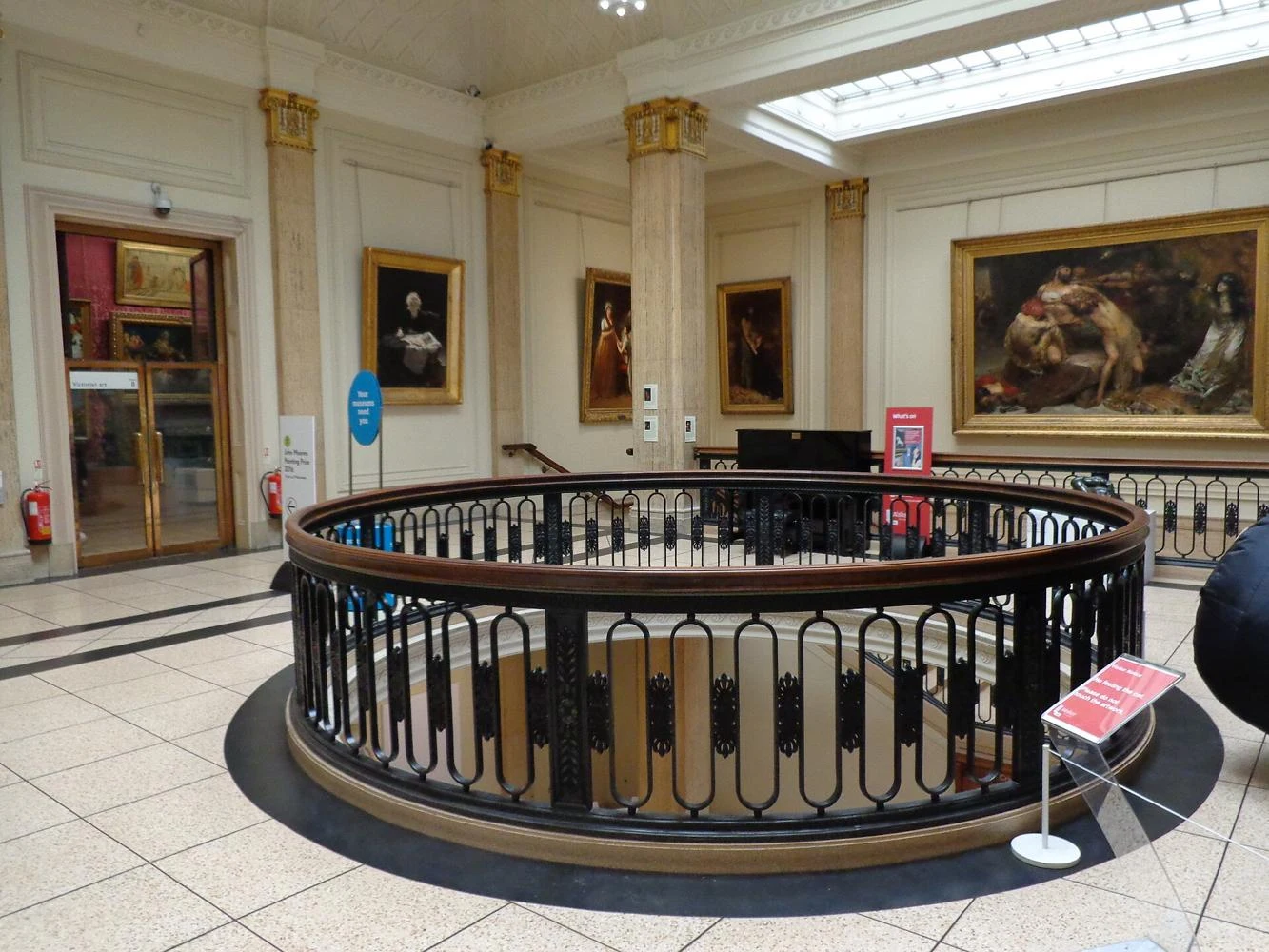
A visitor to an autumn art fair has delivered a moving account of an ordinary radiator, describing its repeated vertical forms as a devastating critique of contemporary isolation.
The collector spent eleven minutes explaining that the object interrogated domestic comfort before a member of staff clarified that domestic comfort was precisely its job.
Undeterred, he asked whether it was available as an edition. Staff offered to turn it down.
His companion said the warmth was almost confrontational. Another visitor, noticing the growing crowd, photographed the thermostat and asked whether the artist was present.
Within half an hour, several people had agreed that the work’s refusal to identify as art was its most important intervention. A consultant proposed putting the thermostat inside a smaller room to increase its scarcity.
The collector ultimately declined to buy the radiator, arguing that its relationship with the building made transportation ethically complex. He did, however, express interest in a nearby socket.
The building manager later explained that both objects were essential to keeping the room habitable. This account was admired for its deliberate resistance to interpretation.
Admission to that work is already included in the ticket price, although maintenance remains a fiercely contested emerging market.