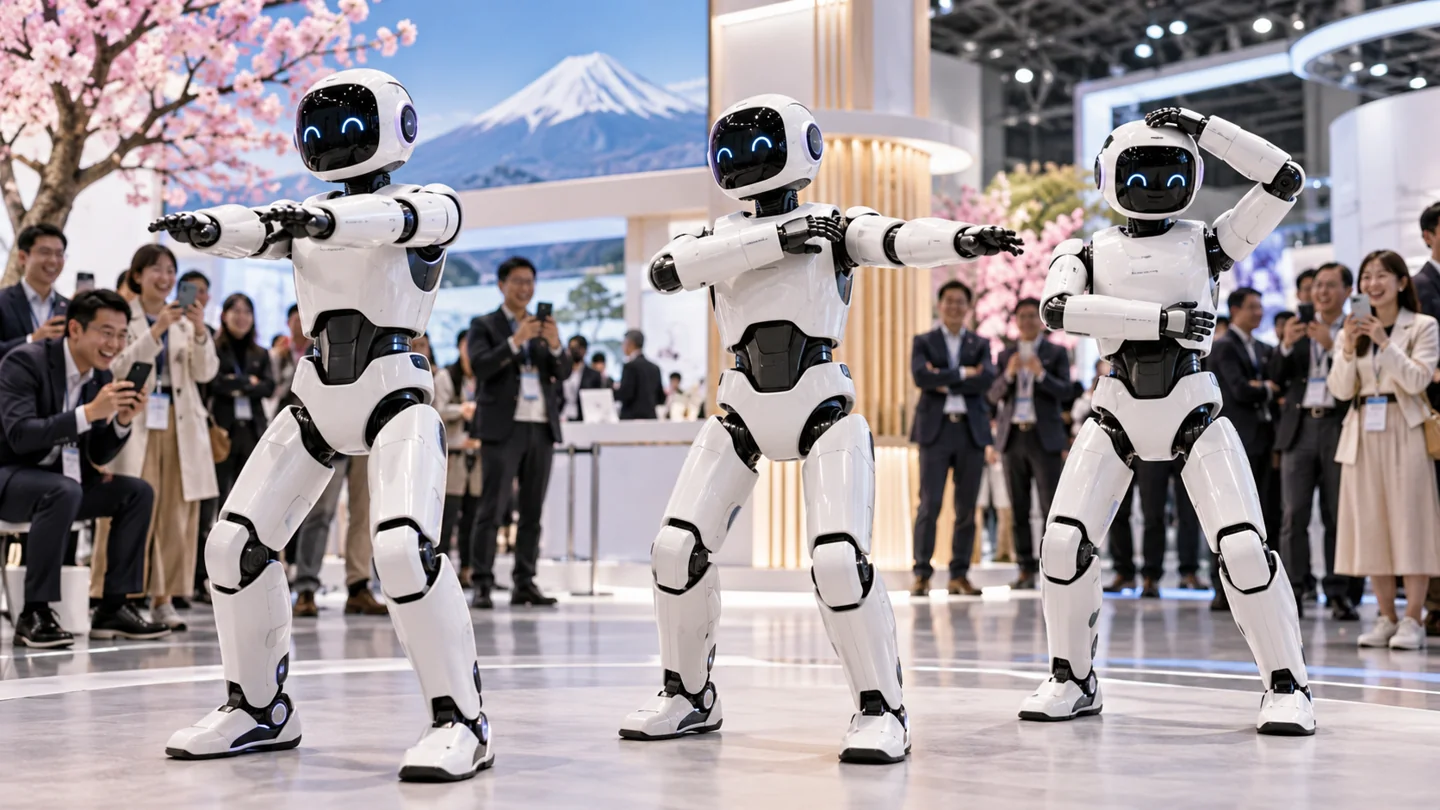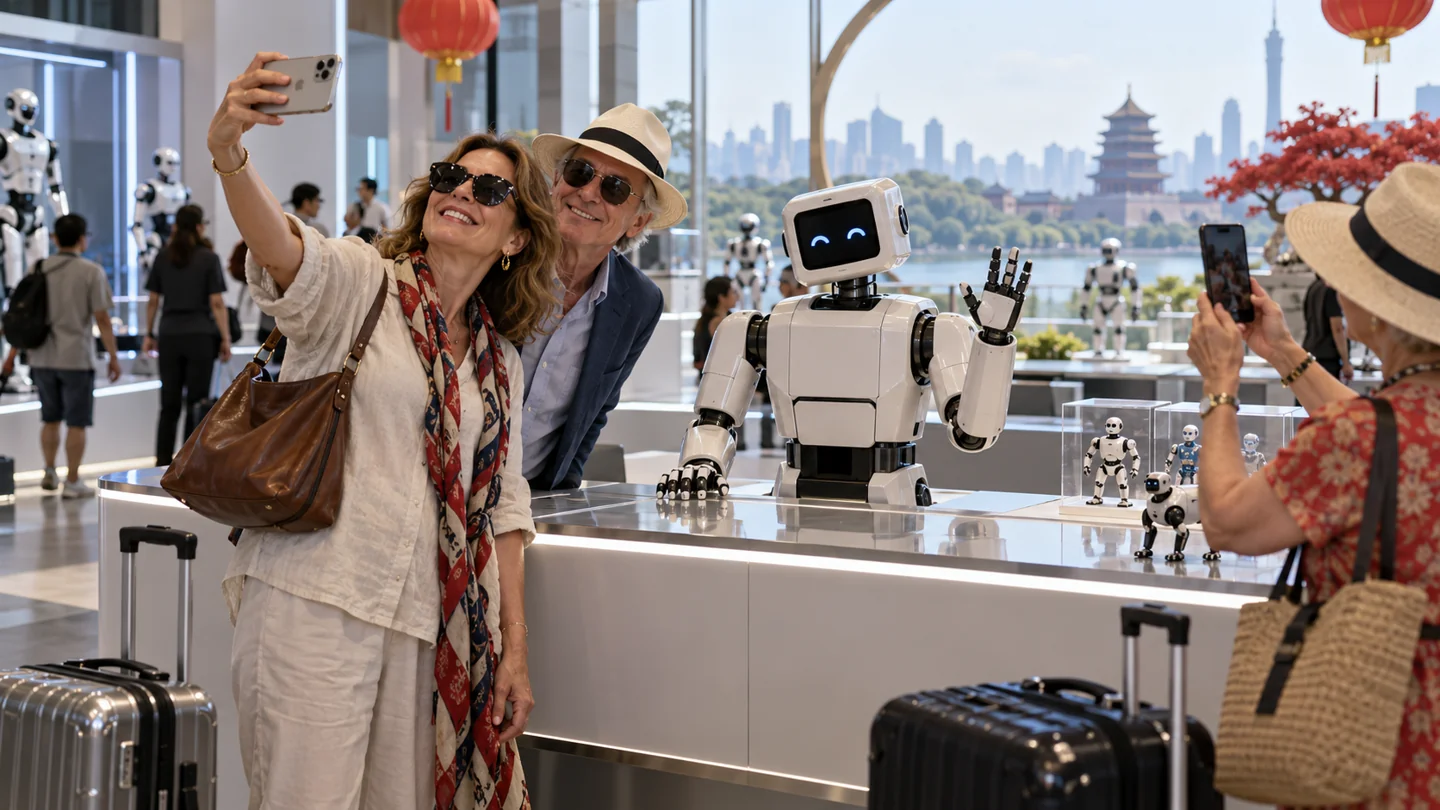
An imaginary office worker has described meeting a humanoid robot on holiday as a magical glimpse of the future, before returning to an email asking him to document every part of his job.
The fictional visitor spent an afternoon photographing machines that could greet customers, carry objects and answer routine questions. He found this charming in a leisure context and less charming when his employer described the same capabilities as a strategic opportunity.
At the robotics attraction, he asked whether the machine could learn from people. Back at work, a manager asked him to record a few demonstration sessions so the company’s new assistant could learn from people. He began to suspect the itinerary contained an unadvertised second location.
An invented travel agent denied selling redundancy previews. The package clearly promised cultural exchange, and the exchange of practical knowledge for an uncertain employment outlook was technically a form of culture.
The worker remains enthusiastic about innovation. He particularly admires the robot’s ability to stand silently while being photographed, a skill he has been practising at corporate away days for years without receiving any recognition as a breakthrough.
He has now uploaded his holiday photographs to the company chat. Management thanked him for his curiosity and asked whether the robot had mentioned its salary expectations.